A House is Not a Home
First Impressions and Mood
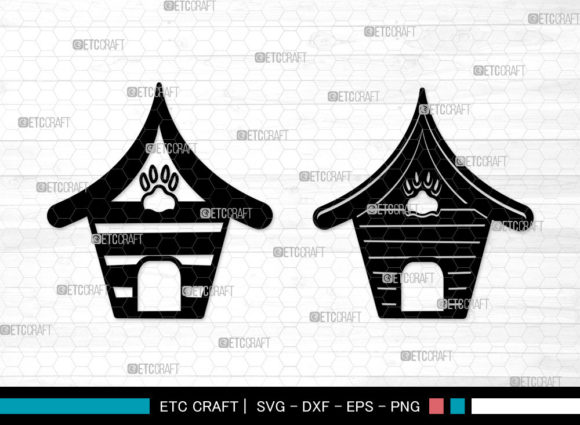
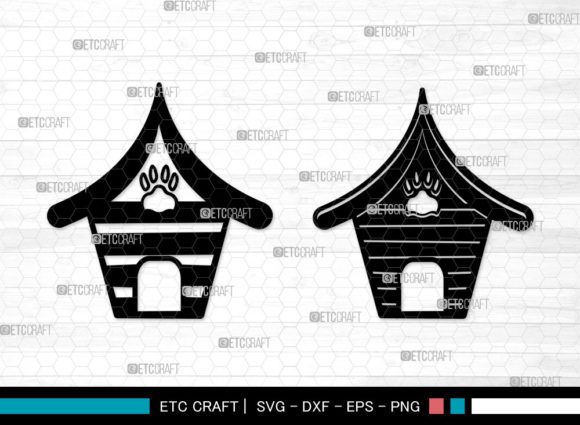
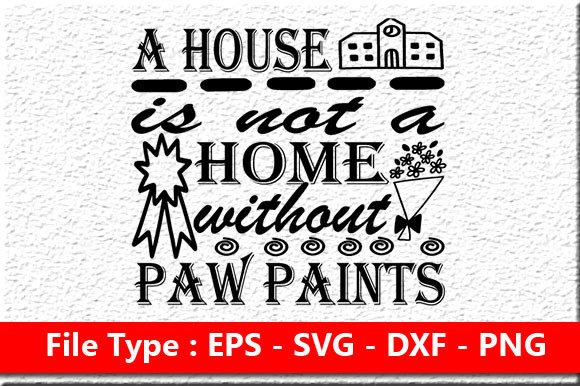
The moment I opened the ZIP file for A House is Not a Home, I was struck by its visual warmth and emotional resonance. The design features a playful dog with a paw print, paired with the phrase “A house is not a home without paw paints.” It’s a simple yet thoughtful concept that speaks to the heart of handmade creativity. The layout is clean, with a balanced composition that feels inviting and approachable.
Design Layout and Detail Level
The dog is rendered in a stylized, cartoonish manner that suggests it’s meant for embroidery rather than high-resolution printing. The lines are smooth and consistent, which is a good sign for stitchability. However, the level of detail is moderate—enough to convey character without overwhelming the viewer or complicating the embroidery process. The paw print is the focal point, and it’s designed to be both decorative and meaningful.
Real-Life Embroidery Use Cases
A House is Not a Home has a versatile appeal that makes it suitable for a wide range of projects. It would work beautifully on custom apparel like sweatshirts, t-shirts, and tote bags. The design could also be applied to baby clothes, caps, and even holiday gifts, adding a personal touch to everyday items. For craft businesses, it’s an excellent option for embroidered patches, aprons, and pillow covers.
It’s especially well-suited for personalized gifts and handmade products. Imagine a custom embroidered tote bag with this design as a gift for a pet lover or a family member. The message adds a layer of sentimentality that can make the finished product more memorable.
Challenges in Real Embroidery Projects
While A House is Not a Home is visually appealing, there are a few considerations to keep in mind when using it in real-life embroidery scenarios. The design may require careful attention when working with small hoop sizes, as the details might become cramped or lose clarity. Similarly, textured fabrics or thin materials could affect how the design looks once stitched, potentially leading to distortion or uneven stitching.
Another potential issue is dark fabric backgrounds. The design relies on contrast between the dog and the background, so it may not translate well on dark colors unless the thread color is chosen carefully. Stretchy fabrics like denim or cotton blends can also pose challenges, as they may stretch during the embroidery process, causing misalignment or distortion.
Practical Design Notes for Embroidery Designers
As an experienced designer, I recommend testing A House is Not a Home on scrap fabric before committing to a final project. This allows you to see how the design performs in different lighting conditions and fabric types. Checking the stitch density is also crucial—it should be consistent and not too dense, which could lead to puckering or thread breakage.
When selecting thread colors, consider the fabric texture and the overall aesthetic you want to achieve. A light-colored thread on a dark fabric can create a striking contrast, while a darker thread on a light fabric might blend in too much. Always test the design in black and white mockups to ensure clarity and legibility.
Using the right stabilizer is essential for maintaining the fabric’s stability during embroidery. For delicate or stretchy fabrics, a tear-away stabilizer is often a safe choice. Additionally, confirm the hoop size required for the design to avoid any issues with placement or alignment.
Visual Appeal and Customer Trust
The visual appeal of A House is Not a Home is strong, but it’s important to remember that embroidery is about more than just aesthetics. Customers expect professionalism and quality in their finished products. Ensuring that the design is clear, well-stitched, and visually appealing will help build trust and enhance the perceived value of your handmade goods.
For small shop products and Etsy listings, the design can serve as a unique selling point. Its message is both comforting and relatable, making it ideal for holiday embroidery or personalized gifts. It also lends itself well to craft business branding, where consistency and charm are key.
Final Thoughts and Recommendations
A House is Not a Home is a design that balances simplicity with meaning. It’s a great fit for custom apparel, embroidered patches, and handmade products that aim to connect emotionally with customers. However, it requires careful planning and attention to detail to ensure it performs well in real-world applications.
If you’re considering using this design for commercial embroidery or digital product sales, always verify licensing terms and check compatibility with your embroidery machine. With the right preparation and execution, A House is Not a Home can become a standout piece in your creative portfolio.