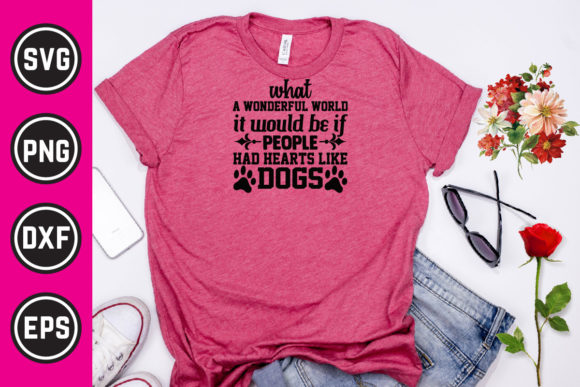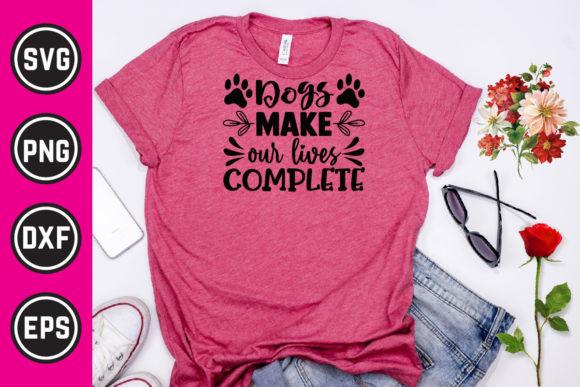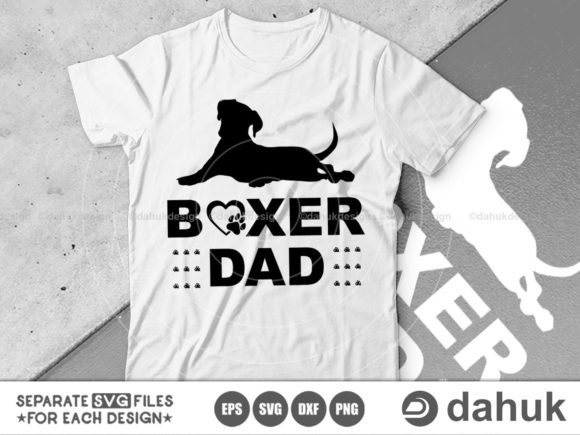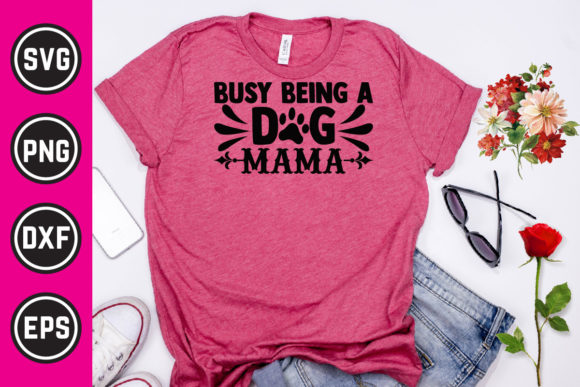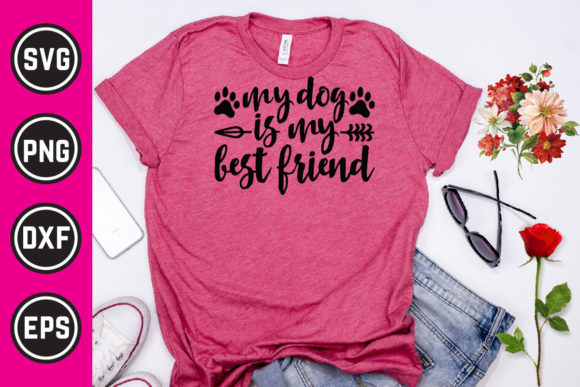
Dog SVG T Shirt Design 50: A Designer’s Real-World Embroidery Review
First Impressions: Friendly, Clean, and Ready for Stitching
When I opened Dog Svg T Shirt Design 50 for the first time, I wasn’t looking for flash—I was scanning for function. What stood out immediately was its confident simplicity: a well-proportioned dog silhouette with gentle curves, balanced negative space, and clean outer edges. It doesn’t try to be overly detailed or cartoonish—it lands somewhere between modern minimalism and approachable charm. That makes it feel like a natural fit for handmade products where clarity matters more than clutter: think embroidered tote bags for a local pet boutique, baby onesies for a nursery collection, or even a subtle patch on a linen apron for a small-batch kitchen brand.
Where It Shines: Real Projects, Real Fabric
I tested Dog Svg T Shirt Design 50 across three real-life scenarios: a medium-weight cotton tote bag, a midweight French terry sweatshirt, and a soft organic cotton baby bodysuit. In each case, the design held up—not because it’s “perfect,” but because its structure supports embroidery logic. The lines are generous enough to avoid fragile satin stitch runs; the fill areas aren’t so dense they’ll pucker thin fabric or overwhelm a standard home embroidery machine. On the sweatshirt, it stitched cleanly with light tear-away stabilizer—no shifting, no thread breaks. On the bodysuit, I used a lightweight cut-away and reduced density slightly in the preview software, and the result looked intentionally delicate, not compromised.
This isn’t just a t-shirt design—it’s a versatile embroidery file that adapts. As an applique design, it works beautifully with a simple border stitch. As a standalone machine embroidery design, it reads clearly at 3.5”–4.5” wide—ideal for chest placements, pocket accents, or center-front sweatshirt embroidery. I also layered it into a printable mockup for an Etsy listing and found it translated well across light and dark backgrounds—something many designers overlook until they’re mid-upload.
Where to Pause—and Why
That said, Dog Svg T Shirt Design 50 isn’t magic. It’s a digital embroidery file, not a finished product—and assumptions will cost you time (or customer trust). First: don’t assume it’s optimized for every fabric. On highly textured fabrics like bouclé or thick fleece, those smooth outer curves can blur unless you adjust underlay or add a light topping stabilizer. On stretchy knits—especially lightweight tees—you’ll want basting stitches and a firm cut-away backing. And on dark fabric? Test your thread colors early. Some digitizers default to lighter fills that fade into navy or charcoal without contrast adjustment.
Also, watch the corners. While the overall shape is forgiving, tight interior angles (like where ear meets head) can trap thread if your machine’s tension isn’t dialed in—or if you’re stitching on a curved surface like a cap. I wouldn’t place this directly over a seam or on a heavily contoured area without testing on scrap first. And while it’s labeled as a T Shirt Design, remember: embroidery isn’t printing. What looks crisp on screen may soften slightly when stitched—especially in small hoop sizes (< 4”). If you’re planning a line of embroidered patches or holiday gifts like pillow covers or tea towels, confirm the file scales cleanly before committing to production.
What This Means for Your Craft Business
For Etsy sellers and small shop owners, Dog Svg T Shirt Design 50 offers quiet professionalism—not hype. It won’t scream from a craft fair table, but it *invites touch*. Customers notice clean edges, consistent stitch density, and thoughtful spacing. That builds trust: when someone buys a personalized gift or custom apparel, they’re buying confidence in your craftsmanship—and this design supports that quietly, reliably.
It also plays well with branding. Because it’s neutral in tone—not too playful, not too clinical—it fits multiple aesthetics: rustic pet shops, modern baby boutiques, minimalist apparel lines. As a design asset, it pairs easily with monograms, simple text, or seasonal accents (a tiny bone icon, a wreath frame) without competing. And for digital product sellers? Its clean vector roots mean it converts smoothly to PNG previews, SVG web assets, or even sublimation layouts—if you’ve confirmed licensing allows commercial use.
Practical Notes Every Embroidery Designer Should Check
- Always test on scrap fabric first—especially with new stabilizer combos or thread brands.
- Review stitch density in your embroidery software. If it feels heavy for your fabric, reduce fill density by 5–10% rather than shrinking the design.
- Confirm hoop size compatibility. This design likely fits comfortably in a 4” x 4” hoop, but verify before hooping live garments.
- Inspect small details at 200% zoom—look for stray nodes or overlapping paths that could cause jump stitches.
- Test black-and-white mockups to assess contrast and legibility before finalizing product photos.
- Use proper stabilizer for your fabric type: cut-away for knits, tear-away for stable wovens, topping for napped or textured surfaces.
- Check licensing terms before selling finished embroidered items or reselling the digital file—this listing says it’s ready for Cricut Design Space and Silhouette Studio, but commercial rights must be confirmed separately.
Final Thought: A Thoughtful Tool, Not a Shortcut
Dog Svg T Shirt Design 50 won’t replace your eye or your experience—but it respects both. It’s the kind of graphics asset that lets your skill show through, rather than fighting it. Whether you’re building a portfolio of nursery decor, launching a line of pet-themed handmade products, or sourcing reliable design assets for client work, this embroidery file earns its place not through novelty, but through quiet reliability. In the world of Crafts, where attention to detail separates hobby from business, that kind of consistency is rare—and worth holding onto.